

Cardio Equipment in China: Trends and Innovations in Fitness Technology
2026-04-10
Welcome to the dynamic world of fitness in China, where innovation is reshaping how we stay active. In this blog post, we delve into the latest trends and breakthroughs in cardio equipment, exploring how cutting-edge technology is making workouts more efficient, engaging, and accessible. From smart treadmills to connected bikes, these advancements are not just about burning calories—they’re about transforming the fitness experience. At Yingruis, we’re proud to be at the forefront of this revolution, integrating these trends into our products to help you achieve your health goals. Get ready to discover what’s next in fitness tech and how it’s empowering a healthier lifestyle across China.
Revolutionizing Home Workouts: China's Cardio Tech Surge
While once a niche market dominated by treadmills and stationary bikes, home fitness in China is undergoing a seismic shift, driven by a wave of innovative companies reimagining cardio technology. This surge is fueled by a perfect storm of factors: a growing middle class prioritizing health, post-pandemic lifestyle changes favoring convenience, and a tech-savvy population eager for smart, connected solutions. Brands aren't just selling equipment; they're crafting experiences, leveraging AI and IoT to offer personalized workouts, real-time feedback, and immersive virtual environments that make sweating at home feel less like a chore and more like a game or a guided adventure.
What sets this movement apart is its uniquely Chinese blend of practicality and entertainment. Forget clunky, one-size-fits-all machines—today's offerings include foldable smart rowers that sync with live-streamed classes led by charismatic trainers, AI-powered mirrors that correct your form, and even gamified VR cycling systems that let you race through digital landscapes. This isn't just about burning calories; it's about engagement, with many products integrating social features and competitive leaderboards to foster community, tapping into the local culture's love for group activities and digital interaction, turning solitary exercise into a shared, dynamic event.
Beyond consumer appeal, this tech surge is reshaping the industry itself, with startups and established players alike pushing the boundaries of design and functionality. Companies are focusing on affordability and space efficiency, crucial in crowded urban areas, while partnering with app developers and content creators to build robust ecosystems. As these innovations gain traction globally, China is poised not just to follow trends but to lead them, potentially setting new standards for how the world stays fit at home. The future of cardio tech is no longer imported; it's being homegrown, with a distinctively energetic and user-centric flair.
Smart Treadmills and Ellipticals: Connected Fitness Takes Off
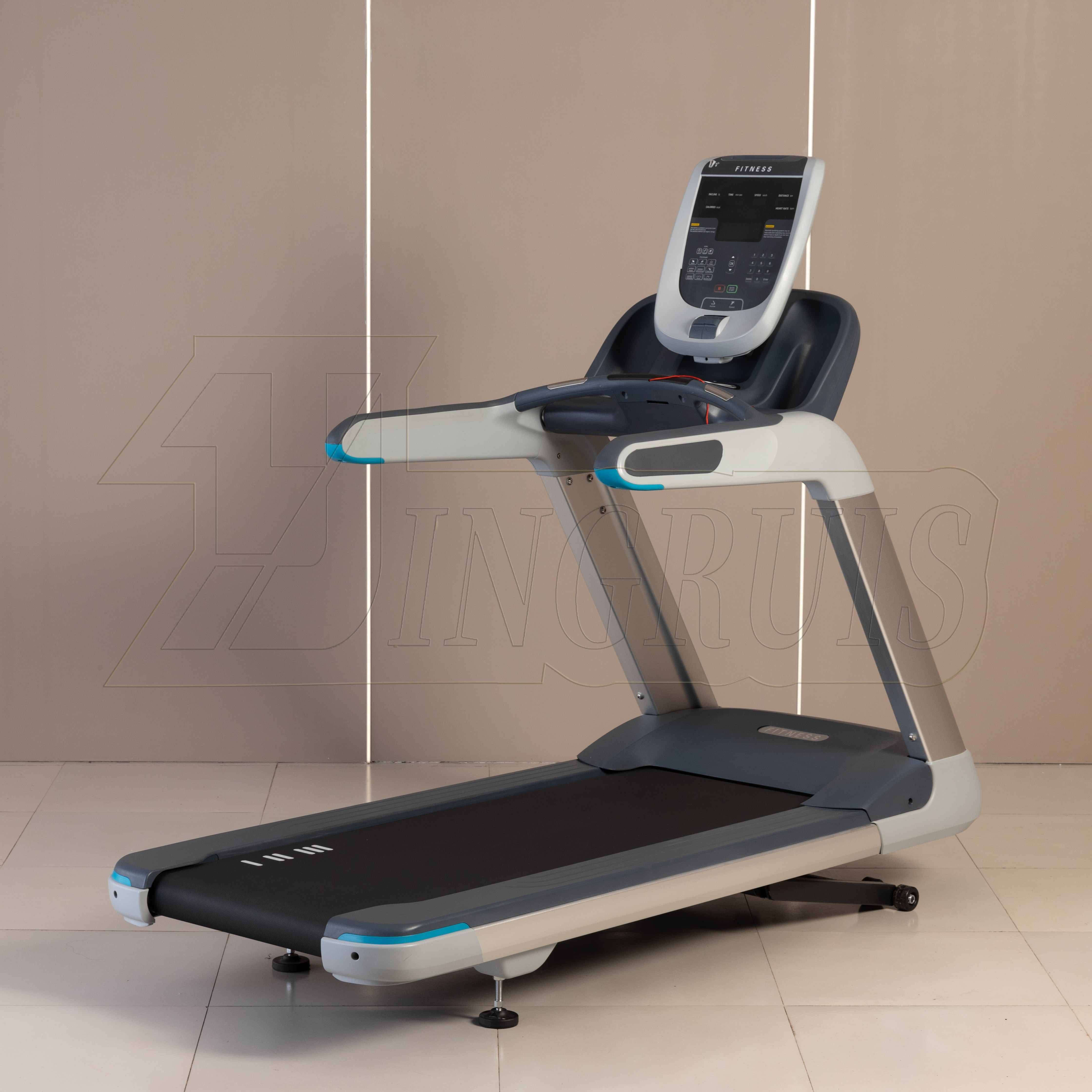
The rise of smart treadmills and ellipticals has transformed home workouts from solitary routines into dynamic, interactive experiences. These machines now come equipped with built-in screens, Wi-Fi connectivity, and access to live classes or on-demand programs, allowing users to virtually join group sessions with trainers or explore scenic routes worldwide. This integration of technology not only boosts motivation but also personalizes fitness goals through real-time data tracking, making it easier to monitor progress and stay committed.
What sets these connected devices apart is their ability to sync seamlessly with fitness apps and wearables, creating a holistic ecosystem that adjusts workouts based on individual performance. Unlike traditional equipment, smart ellipticals and treadmills offer adaptive resistance and incline features, responding to app-guided challenges or virtual competitions. This interactivity fosters a sense of community among users, who can share achievements or compete on leaderboards, turning exercise into a social engagement rather than a chore.
As the market expands, innovations like AI-powered coaching and immersive virtual reality are pushing boundaries further. These advancements cater to diverse fitness levels, from beginners seeking guided tutorials to athletes craving intense simulations. With subscription services providing fresh content regularly, smart fitness equipment avoids monotony, encouraging long-term use and healthier lifestyles. This trend signals a shift toward more integrated, home-based wellness solutions, blending convenience with cutting-edge tech.
Gaming Meets Exercise: Interactive Equipment Innovations
Remember when gaming meant slouching on the couch? Those days are fading fast. Today's interactive fitness gear is turning workouts into dynamic adventures, blending the thrill of video games with real physical exertion. From motion-sensing devices that track your every move to haptic feedback that makes virtual obstacles feel tangible, this equipment isn't just about counting reps—it's about immersing you in worlds where squats dodge enemy fire and cardio sessions chase digital rewards. It's a revolution that's redefining how we think about staying active, making exercise something to look forward to, not endure.
What sets these innovations apart is their ability to personalize challenges in real-time. Instead of following a generic routine, the equipment adapts based on your performance, ramping up difficulty when you're breezing through or offering encouragement when you slow down. Imagine a boxing simulator that learns your punch patterns and counters with smarter virtual opponents, or a cycling game that adjusts terrain resistance to match your stamina levels. This isn't just gamification; it's a responsive partnership between technology and your body, keeping workouts fresh and engaging over the long haul.
Beyond individual fun, these tools are fostering communities and competition in ways traditional gyms rarely do. Multiplayer modes let you team up with friends across the globe, racing through obstacle courses or collaborating in fitness-based quests. Leaderboards and achievement systems tap into our natural drive for progress, turning mundane exercises into missions with clear goals. It's not just about burning calories—it's about building skills, sharing victories, and maybe even laughing as you stumble through a virtual dance-off. In short, interactive equipment is bridging the gap between play and sweat, proving that fitness can be as captivating as any game.
AI-Powered Personal Trainers: Customized Cardio Solutions
Imagine a workout where every step, every heartbeat, and every breath is fine-tuned just for you—this is the essence of AI-powered personal trainers delivering customized cardio solutions. By analyzing real-time data from wearable devices, these smart systems adapt routines on the fly, adjusting intensity based on your energy levels and goals. It's like having a coach who never sleeps, always ready to push you further or ease off when needed.
What sets these AI trainers apart is their ability to learn from your unique physiology over time, offering personalized insights that go beyond generic plans. They consider factors like your resting heart rate, recovery patterns, and even environmental conditions to craft cardio sessions that maximize efficiency and minimize injury risk. This dynamic approach ensures that every workout feels fresh and aligned with your evolving fitness journey.
From interval training tailored to your endurance to guided runs that match your pace preferences, AI-powered solutions transform cardio from a mundane routine into an engaging, results-driven experience. They empower users to reach their health milestones faster, all while making exercise more intuitive and enjoyable.
Compact and Eco-Friendly: Space-Saving Designs Rise
As urban spaces shrink, compact and eco-friendly designs are gaining traction, transforming how we live and interact with our surroundings. From tiny houses to modular furniture, these solutions maximize functionality while minimizing environmental impact, making them ideal for modern, sustainable living.
Innovations in space-saving designs often incorporate smart technology and renewable materials, blending style with efficiency. For instance, multi-purpose items that adapt to different needs not only reduce clutter but also lower energy consumption, offering a seamless way to embrace a greener lifestyle without sacrificing comfort.
The trend extends beyond individual homes to broader architectural projects, where compact layouts enhance community connectivity and resource sharing. By prioritizing both space conservation and ecological benefits, these designs pave the way for a future where living spaces are both elegant and environmentally conscious.
Data-Driven Fitness: Wearables Integrate with Cardio Gear
As fitness enthusiasts seek more personalized workout data, wearables are seamlessly syncing with cardio equipment like treadmills, bikes, and ellipticals. This integration allows for a unified tracking experience, where heart rate, calories burned, and other metrics from your smartwatch directly feed into the gym machine's display. Gone are the days of manual logging; now, every sprint or hill climb is automatically recorded, providing a comprehensive view of your performance without the hassle.
Beyond basic metrics, this synergy enables advanced features such as real-time coaching adjustments and goal-based training programs. For instance, if your wearable detects high stress levels, the cardio gear might suggest a gentler warm-up or adapt resistance levels to optimize recovery. This dynamic interaction not only enhances workout efficiency but also adds a layer of interactive motivation, making each session feel more tailored and engaging.
In the broader fitness landscape, this trend is pushing brands to collaborate and innovate, resulting in ecosystems where data flows freely between devices. Users benefit from deeper insights into their progress, spotting trends like peak performance times or effective workout combos. By blending the portability of wearables with the stability of cardio gear, it's reshaping how we approach fitness, turning simple exercises into data-rich experiences that evolve with our goals.
FAQ
Innovations like smart connectivity, AI-driven personalization, and eco-friendly designs are transforming China's cardio equipment, with a strong focus on home-based fitness and data-driven health tracking.
Advanced sensors, virtual reality workouts, and IoT compatibility are enhancing user engagement, allowing for real-time feedback and customized training programs to align with China's tech-savvy consumer base.
Features such as foldable designs for small spaces, noise reduction technology, and gamification elements are gaining traction, catering to urban lifestyles and increasing health consciousness in China.
Manufacturers are incorporating recycled materials and energy-efficient systems to meet environmental regulations and appeal to eco-aware consumers, reflecting broader green initiatives across China.
Demand for affordable, multifunctional devices that integrate with popular apps and social platforms drives customization, emphasizing convenience and community aspects in the fitness experience.
It enables personalized workout recommendations, progress tracking, and health insights through cloud-based platforms, helping users optimize their routines and maintain long-term engagement.
Conclusion
The landscape of cardio equipment in China is undergoing a transformative revolution, where cutting-edge technology meets the growing demand for personalized fitness. A significant surge in home workout solutions is fueled by the integration of smart, connected features in treadmills and ellipticals, allowing users to seamlessly track data and engage in virtual training. This tech-driven movement is further amplified by the fusion of gaming and exercise, with interactive equipment innovations making workouts more engaging and fun. Additionally, AI-powered personal trainers provide customized cardio solutions, adapting to individual needs and goals, while compact, eco-friendly designs cater to urban living spaces.
Beyond hardware, the trend emphasizes data-driven fitness, where wearables integrate with cardio gear to create a holistic health ecosystem. This connectivity enables real-time feedback and long-term progress analysis, enhancing motivation and effectiveness. As innovations continue to evolve, China's fitness technology is not just keeping pace with global trends but carving out unique paths, blending entertainment, sustainability, and advanced computing. These developments signal a future where cardio equipment is more than just machinery—it's a dynamic partner in achieving better health outcomes.
Contact Us
Contact Person: Owen Wu
Email: [email protected]
Tel/WhatsApp: 86-15376736259
Website: https://www.yingruisfit.com/