

Strength Equipment Supplier: How to Find a Reliable Partner for Your Gym
2026-09-04
Finding a strength equipment supplier that won't let you down is harder than it looks. You need more than just a catalog—you need a partner who understands your gym’s unique demands. That’s where Yingruis comes in, offering durability, smart design, and support that actually answers when you call. Below, we break down exactly how to spot a reliable supplier before you sign anything.
Steel That Survives Your Busiest Hours
A long shift doesn't wait for tools to cool down. This steel is treated to hold its edge and shape after hundreds of repeated cuts, scrapes, and washes, so you can move from prep to plating without stopping to fix a warped blade or a loose handle.
The surface resists the dulling effect of busy hours. Early-morning prep and late-night cleanup leave no trace, and the weight stays balanced in your hand long after cheaper metals would have started to feel wrong.
Trust Is Earned in the Details: Dig Into Their Track Record
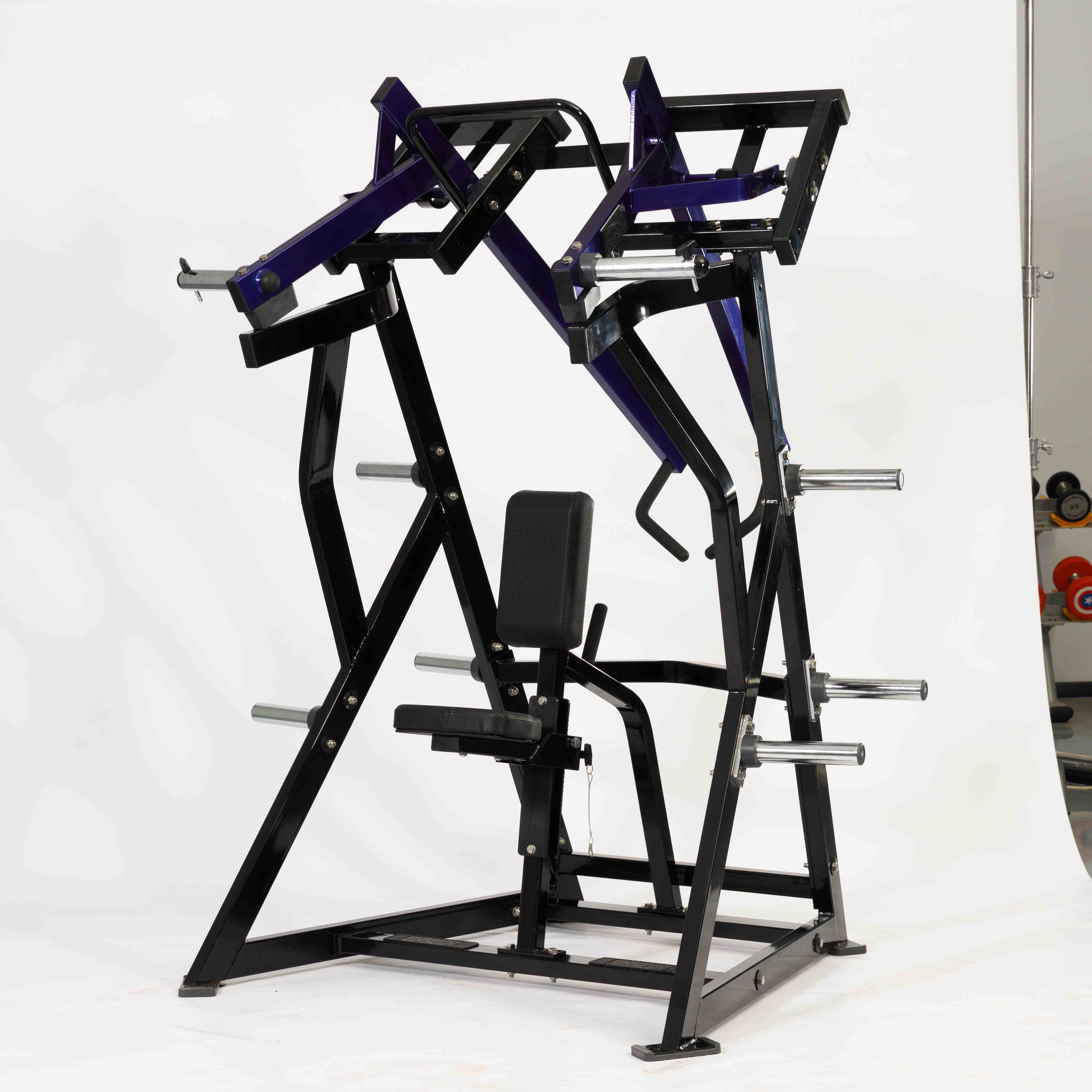
Reputation isn't built on glossy brochures or polished pitches. It lives in the small, unglamorous moments: how quickly they returned a call, whether they flagged a potential problem before you asked, or if their promised timeline actually held up under a routine check. When someone's track record is solid, you'll find consistency in those minor interactions, not just in the headline outcomes.
Instead of relying on a single project summary, ask for a handful of past engagements that resemble yours in scope or complexity. Then pay attention to what they emphasize. People with genuine depth tend to mention specific constraints they worked through, revisions they made after feedback, or a decision they'd now approach differently. That kind of nuance rarely comes from a rehearsed script.
A proven record also leaves a trail you can verify independently. Look for patterns across time: repeat clients, long-term collaborations, or a progression in the size and difficulty of the work. If the only evidence is self-reported and the details stay vague, treat that as a signal. Trust gets earned when the small facts line up without you having to squint.
Don't Skip the Sweat Test: Use the Gear Before You Buy
Buying a new piece of gear can feel like a leap of faith, especially when you're staring at a wall of options or scrolling through endless reviews. But here's the thing: until you actually put that backpack on loaded with your own gear, or swing that tent pole in the wind, you're just guessing. The sweat test isn't about looking cool in the store—it's about finding out if the straps dig into your shoulders after ten minutes, if the zippers catch, or if the rainfly actually covers the mesh when the weather turns ugly.
Most retailers with any outdoor credibility will let you set up a tent in the aisle or load a pack with sandbags. Take them up on it. Walk around for a while, bend over, reach for things. For footwear, hit the little incline ramp if they have one, or just jog in place. That stiff spot near the ankle or the heel slip you'd never notice in a five-second try-on will show up fast. If you're buying online, look for sellers with generous return windows and actually use the item indoors or in your yard before committing—peel off those tags only after you've confirmed it works for your body and your habits.
The point isn't to abuse return policies or waste a salesperson's afternoon. It's to avoid the expensive mistake of buying gear that fails on day one of a trip. A few extra minutes of honest testing now beats a miserable night in a leaky tent or blistered feet ten miles from the trailhead. So go ahead, sweat a little. Your future self will thank you.
What Happens at 6 a.m. When a Cable Snaps?
At 6 a.m., most urban cable systems are just starting their peak load as buildings wake. A snap on a medium-voltage line doesn’t announce itself loudly—the first sign is often a dip in voltage that makes elevator motors whine and HVAC compressors stutter. Protection relays at the substation record the event in milliseconds, flagging a phase-to-ground fault about two kilometers away. The control room’s software doesn’t wait for human eyes. It automatically pings the nearest line crew, but until they arrive, the system reroutes power through backup feeders, which is fine unless the secondary line is already overloaded from overnight construction or a heat wave.
The physical repair is rarely dramatic. A snapped cable usually hangs limp or lies across a crossarm, its aluminum strands bright against the gray dawn. Crews isolate the section, test for voltage, and splice a new length. What makes 6 a.m. different is the clock: every minute of downtime pushes the delay deeper into the morning rush. Traffic signals go dark, commuter rail platforms run on emergency lighting, and offices start with a brownout. By the time the fault is cleared, usually before 8 a.m., the biggest casualty isn’t the cable—it’s the carefully scheduled start of the day.
Pricing Without Surprises: Read the Fine Print Together
Most pricing pages are built to dazzle you with a big number and then quietly tuck the real costs into footnotes, asterisks, and terms you’d need a magnifying glass to read. We do things differently. When you sit down with us, we go through the fine print line by line—not to bury you in jargon, but to show you exactly what you’re paying for and what you’re not. That way, the price you see is the price you get, no last-minute surprises.
Think of it as a shared reading session, minus the boredom. We’ll flag the clauses that usually trip people up: setup fees, overage charges, renewal jumps, and those “optional” add-ons that somehow become essential. You’ll know which line items are fixed, which can flex, and where you might save money by skipping something you don’t need. By the end, you won’t just have a quote—you’ll have a clear picture of the total cost over the life of your plan.
That level of clarity takes a little longer than a one-click checkout, but it’s worth it. No hidden fees, no fine-print gotchas waiting to ambush you in month three. Just honest numbers and a partner who wants you to understand every dollar before you commit.
More Than a Vendor: Finding a Partner Who Sticks Around
The real difference between a vendor and a partner usually shows up after the contract is signed. A vendor delivers exactly what was listed, then quietly fades until it’s time to renew. A partner, on the other hand, will ask about your long-term plans, point out a risk before it turns into an emergency, and adjust when your priorities shift without you having to renegotiate every detail. It’s rarely about grand promises—it’s the small, consistent actions that tell you someone is actually paying attention.
Finding that kind of partner means looking past the polished demo and the aggressive pricing. Watch how they handle mistakes, whether they share knowledge instead of guarding it, and if they remember the details you mentioned two calls ago. A good partner doesn’t just solve problems; they help you steer around them. That’s what “sticks around” really means—not that they never leave, but that you actually want to keep them around.
FAQ
A dependable supplier asks about your gym's training style, peak hours, and member demographics before quoting prices. They recommend fewer but better-suited machines instead of pushing an entire catalog. They also walk you through maintenance schedules and spare parts availability without being prompted.
Ask for detailed close-up photos or videos of welds, pivot points, and upholstery stitching. Reputable suppliers will share factory floor footage or let you schedule a live video walkthrough. Pay attention to frame gauge, bushing versus bearing joints, and whether weight stacks are covered to prevent dust buildup. If a supplier hesitates to show these details, that lack of transparency often shows up later in equipment longevity.
Rarely. A low upfront cost often hides thinner steel, cheaper bearings, and limited replacement parts. When a cable snaps or a weld cracks after 18 months of heavy use, you will pay more in repairs and downtime than the initial savings. Instead, compare total cost of ownership: warranty length, labor coverage, and how fast the supplier can ship replacement components.
A solid benchmark is a minimum 10-year frame warranty and at least one year on moving parts, though some premium brands now offer lifetime frame coverage. Be wary of warranties that only cover manufacturing defects but exclude normal wear items like cables, pulleys, and upholstery. Ask whether labor and freight for warranty repairs are included; many hidden costs live there.
Yes, if they show consistent supply chain discipline and honest engineering. Ask about their production volume, quality control testing, and how many units they have placed in commercial gyms over the past two years. A smaller brand with a focused product line and responsive support can often outperform a large manufacturer that treats you as an account number.
Go beyond their website testimonials. Ask for contact information of current gym owners who run similar training styles, such as powerlifting, group classes, or functional fitness. Call two or three and ask about service response times, parts availability, and whether the machines still feel stable after years of use. Honest suppliers will volunteer these references rather than making you chase them.
You want a supplier that treats your equipment failure as urgent, not as a ticket number. Ask how quickly they ship replacement parts, whether they offer phone or video diagnosis, and if they have local service partners. A reliable supplier will have a clear process for reporting issues and will check in after installation instead of disappearing once the invoice clears.
Watch for suppliers who avoid giving straight answers about frame gauge or bearing types, pressure you with limited-time discounts, or cannot produce a single verifiable commercial gym reference. Also be cautious if their warranty page is vague or if they use stock photos instead of actual product images. These patterns suggest a short-term business rather than a durable partner.
Conclusion
Finding a gym equipment supplier who won’t let you down starts with looking past glossy brochures. You need steel that holds up when every squat rack is occupied and every cable station is in constant motion. Ask about frame gauge, weld quality, and warranty coverage—not just the finish. Then dig into their history: talk to other gym owners, visit facilities that have been running the same equipment for years, and ask about failure rates. A supplier’s willingness to share real-world performance data says more than any sales pitch. And never buy sight unseen. Get on the machines yourself. Do a full workout if you can. Pay attention to seat adjustments, pulley smoothness, and how the frame feels under heavy loading. If it doesn’t feel right during a test, it won’t feel right at 5 p.m. on a Tuesday.
When a cable snaps at 6 a.m. on a Monday, your members don’t care whose fault it is—they just want it fixed. So before signing, ask exactly what happens in that scenario. What is the response time? Are replacement parts stocked locally or shipped from overseas? Will a technician come to you, or are you expected to diagnose and repair it yourself? Likewise, go through the pricing line by line: delivery, installation, extended warranties, and even disposal of old equipment. Surprises only surface later if you skip the fine print. Finally, evaluate whether this supplier acts like a long-term partner. Do they follow up after the sale? Do they offer maintenance training or help you plan future expansions? A reliable supplier isn’t just a vendor—they’re the first call you make when a machine goes down, and the reason your gym keeps running while others wait.
Contact Us
Contact Person: Owen Wu
Email: [email protected]
Tel/WhatsApp: 86-15376736259
Website: https://www.yingruisfit.com/