

Top Water Taxi Experiences You Shouldn't Miss
2026-11-16
Forget crowded tour buses—some of the most unforgettable moments on the water happen aboard a water taxi. From gliding past glittering skylines to discovering hidden harbor gems, these rides offer a front-row seat to a city's soul. Whether you're a first-time visitor or a seasoned traveler, Allheart helps you find the top water taxi experiences that turn a simple transfer into a journey worth remembering.
Venice Before the Gondolas: A Water Taxi on Empty Canals
At dawn, before the first gondolier dips his oar, the canals of Venice belong to a quieter kind of vessel. The water taxi cuts through the still surface with a low, steady hum, its wake folding silently against marble steps and algae-stained foundations. No singing, no striped shirts, no slow drift for tourists—just the practical thrum of a city waking up, delivered by men who know every shortcut between San Marco and the train station.
In those early hours, the famous waterways feel less like a stage set and more like a working artery. A delivery boat stacked with crates of artichokes slides past a garbage barge, while a water taxi slips under the Rialto with just inches to spare. The air smells of diesel and damp stone, not fresh pasta. It's a version of Venice that guidebooks rarely mention: functional, unpolished, and strangely intimate.
Take a water taxi before eight in the morning and you'll see the city without its costume. The palazzos look tired, their shutters half-closed. A lone fisherman untangles a net near a side canal. The driver says nothing, or maybe just points out a hidden courtyard where he used to play as a kid. By the time the first gondola pushes off from its mooring, you've already glimpsed the skeleton beneath the silk.
Istanbul's Golden Horn at First Light, From the Back of a Taxi
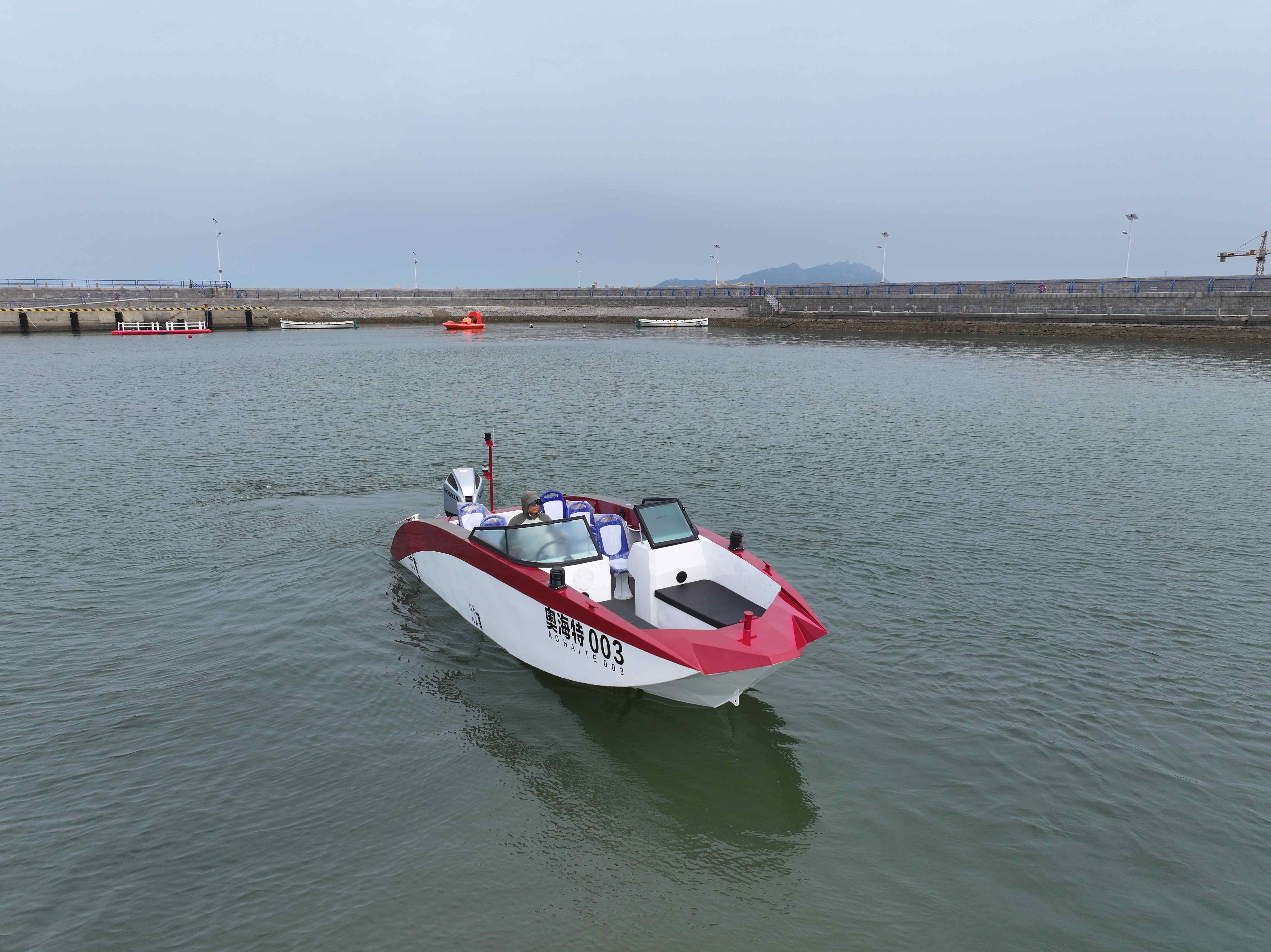
The taxi hums along the coastal road, tires crackling over loose gravel and dried leaves. Through the smeared window, the Golden Horn begins to separate from the night; first as a band of charcoal, then as a sheet of hammered pewter. The minarets on the opposite shore are still just dark cut-outs against a sky that has forgotten to be blue. A fishing boat coughs once, twice, and slides out from the shadow of the Galata Bridge, leaving a seam of white wake that closes almost immediately.
Inside the cab, the driver says nothing. He turns the radio dial down to a whisper and tilts his head toward the water, as if the dawn is a shared secret between us. I press my palm against the cold glass. The light arrives in layers: first a sour yellow at the horizon, then a spreading rose that catches the rust on a moored ferry, then a pale, almost sickly green along the rooftops of Fener. Nobody is on the streets yet. The air smells of diesel and wet rope, and the whole city seems to hold its breath before the first call to prayer.
Bangkok's Khlong Boats: Where the Commute Becomes the Adventure
The first time you step onto a khlong boat, the city's chaos drops away. These long, narrow vessels slip through the old canals of Thonburi, where wooden houses lean over the water and monitor lizards bask on half-submerged planks. You'll grab a spot on the bench, hand a few baht to the conductor who somehow balances on the gunwale, and feel the engine thrum as the boat pulls away from the pier. The ride is bumpy, occasionally splashy, and entirely real—not a tour bus, not a polished ride, just the way people have moved through this part of Bangkok for decades.
What makes it an adventure isn't just the scenery but the rhythm. The boat stops for a split second at each pier, passengers hop on and off with practiced ease, and then you're back in motion, slicing through dark water past temples, markets, and backyards where laundry hangs above the canal. You might catch a whiff of charcoal-grilled chicken or hear a radio playing luk thung from a nearby stilt house. By the time you reach your stop, you've seen a side of Bangkok that feels miles away from the skytrain, even if you've only traveled a few kilometers.
No Ferry, No Yacht: Island-Hopping the Whitsundays by Shared Taxi
From Airlie Beach’s Abell Point Marina, the shared taxi isn’t a yellow cab but a white, open-deck rigid inflatable that runs on a loose timetable set by whoever shows up that morning. You pay a flat per-person fare, toss your dry bag under the bench, and within ten minutes the skipper is cutting across the channel toward Daydream Island while a German backpacker passes around sunscreen. The appeal is obvious once you’ve tried it: no queuing for the big catamaran, no charter company asking for a skipper’s licence, and no fixed itinerary. If someone wants a closer look at a pod of dolphins off Long Island, the skipper simply pulls the throttle back and drifts until the fins disappear.
What really sets this apart is the stops. Instead of docking at Hamilton Island’s polished marina, the taxi noses into small wooden jetties at South Molle or a sand spit near Henning Island that doesn’t appear on most maps. The skipper might cut the engine and say “ten minutes, go walk around,” leaving you on a beach with no footprints except the ones you make. It’s also cheaper than a ferry pass if you plan to hit three or four islands in a day, though you share the ride with whoever else turns up, which can mean a retired couple from Melbourne, two crew members off a yacht, or a solo traveller carrying a ukulele. The boat leaves when it’s full and comes back when the tide allows, and that looseness is exactly why it works.
Under the Bridge and Past the Opera House: Sydney by Night Taxi
The meter ticks over as we roll away from the Quay, the Opera House sliding past the window like a lit sail caught in the dark. From the back seat, the city feels different—less mapped, more alive. The driver points out the old sandstone arches under the bridge, where shadow swallows the streetlights and the water breathes against the pylons. We pass a few late walkers, their laughter muffled by the glass, then swing left into the Rocks, where every narrow lane seems to whisper a different version of the city's past.
Further on, the taxi climbs into Potts Point, and Sydney opens up below us—a spill of lights running down to the harbour. The driver slows near the naval dockyards, telling me about the night shift workers who once spilled out of the pubs here, boots heavy on the cobblestones. Now it's quieter, but the old pubs still glow with that warm, amber light that makes you want to step inside and order something you've never tried. We don't stop, though. The night is ours, measured in kilometres and the occasional crackle of the radio.
Crossing back toward the city, the bridge rears up again, steel ribs lit against the black. The driver takes the lower deck, and for a moment the whole structure hums overhead—trains, maybe, or just the wind moving through the girders. On the other side, the Opera House reappears, smaller now, almost modest from this angle. I pay the fare, step out into the cool air, and the taxi pulls away, its tail lights merging with all the others. The city feels like a story I've only just begun to read.
The Floating Market Run You Can't Do on a Tour Bus
The route starts before the first tourist vans arrive, when the canal-side planks are still slick with river mist and the only voices belong to boatwomen stacking melons and tying bunches of morning glory. You thread past crates of rambutan, leap a mooring rope coiled like a sleeping snake, and take the narrow east bank where the pavement narrows to the width of a bicycle tire. No bus can make that turn, and that's exactly the point.
Half a mile in, the path ducks under a low bridge and splits between a temple gate and a fish-sauce stall. Turn left at the gate and you'll find a shortcut through a family's front room, where a grandmother waves you toward the back door without looking up from her charcoal stove. This is not a curated track; it's stitched together from loading docks, shrine steps, and the occasional plank balanced over an open culvert. A tour bus would need a machete and a miracle.
By the time you reach the far end near the old rice mill, your shoes carry the grit of three markets and one boat landing. The run ends where the canal widens and the engine noise of long-tail boats fades behind the sound of water slapping concrete. Stand there long enough and you'll see a vendor poling past with a stack of banana-leaf parcels, and you'll know you earned a view that never appears on a windshield.
FAQ
Once the day-trippers thin out and the palazzos switch on their mooring lights, the canal turns glossy black and the water laps against the hull with a slower, heavier rhythm. You're not sharing the bow with a dozen cameras; it's just the diesel thrum, the smell of briny air, and the gold reflections shivering across marble facades. The No. 1 line from Piazzale Roma to Lido takes about 45 minutes and costs €9.50, but after 9pm it feels less like public transit and more like a private tour through a flooded opera set.
Absolutely, and the confusion is part of the charm. At Saphan Taksin pier, you point at a map, hold up fingers for the fare (roughly 10–20 baht depending on distance), and hop onto a long-tail boat that rides so low you could drag your hand through the spray. The khlongs behind Wat Arun still hold stilt houses, laundry lines, and tiny spirit shrines; you'll get splashed, you'll smell diesel and lemongrass, and you'll end up somewhere the BTS never goes. Keep small change, skip the tourist boat, and don't wear anything you mind getting wet.
Take the public ferry from Eminönü to Kadıköy, but sit on the upper deck's port side and order a çay before the engines even warm up. The crossing slices through the Bosphorus with Europe on your left and Asia on your right, and the gulls ride the wind so close you can hear their wings creak. The fare is about 15 lira with an Istanbulkart, and the 20-minute ride dumps you into the fish market streets of Kadıköy for a cheap mid-morning midye dolma. Skip the Bosphorus cruise boats; the commuter ferry at 9:15am gives you the same view without the recorded commentary.
Grab a seat at the back of the F1 Manly ferry, buy an Opal card, and the 30-minute run from Circular Quay does the heavy lifting for you. You pass under the Harbour Bridge close enough to count rivets, slice past the Opera House's western shell, then hit the open swells where the boat pitches enough to make kids shriek. It costs maybe $8 off-peak, compared to $45 for a sightseeing cruise, and you'll see locals reading newspapers while tourists grip the railings. Go on a weekday around 2pm and the top deck is nearly empty.
Yes, and the fact that it's free on weekends makes it almost absurd. The yellow ferry leaves Pier 11, cuts across the East River, and gives you a straight-on view of the Brooklyn Bridge with Lower Manhattan's glass towers stacked behind it. The boat smells like coffee and diesel, and the ride lasts maybe 15 minutes, but you'll spend half of it with your phone in your pocket because the scale doesn't fit in a frame. Once you land at Red Hook, grab a hot dog from the cart outside IKEA and walk along the water to Louis Valentino Jr. Park.
It's a ten-minute crossing from the Harbourfront, but in late September the air goes crisp and the city skyline looks like it's been sharpened against a pale blue sky. The small open boats take only about a dozen people, and the captain collects $10 cash before you step off at Hanlan's Point. You'll hear gulls and the slap of waves, and the ferry wakes rock the little boat just enough to make your coffee spill. Go at 5pm and watch the office towers turn copper in the low sun.
Mostly, yes. The Harbor Connector is free and runs weekdays between Maritime Park, Harbor East, and Federal Hill, while the paid water taxi (about $16 for a day pass) links Canton, Fells Point, and Fort McHenry. You can start with crab soup in Fells Point, ride across the harbor to the American Visionary Art Museum, then catch the last boat to Fort McHenry and walk the ramparts as the flags come down. The boats are slow, the pilots are chatty, and you'll learn more about the harbor's shipping channels than any guidebook would tell you.
The abra is a wooden bench boat with a sputtering outboard, and it costs one dirham—about 27 cents—to cross from Bur Dubai to Deira. You sit shoulder-to-shoulder with men carrying crates of spices and women in bright saris, and the boat rocks so low the water sometimes slops over the gunwale. The creek smells of diesel, salt, and cardamom, and the old wind towers and gold souk signs shimmer in the heat. At sunset, the call to prayer drifts from both banks, and for five minutes the whole city feels like a port town from a novel.
Conclusion
Few cities reward an early start like Venice, but the real magic isn't in the gondola queue—it's in the water taxi that slips through empty canals before the crowds wake. At that hour, the lagoon belongs to delivery boats and a handful of commuters, and the ride feels less like transport and more like a private tour of a city still rubbing sleep from its eyes. Istanbul offers a similar trick at first light on the Golden Horn, where the taxi's low wake ruffles reflections of minarets and the smell of simit drifts from the shore. You don't need a guide; the city unfolds frame by frame, and the driver's practiced turns become their own quiet narrative.
Further east and south, the idea of a water taxi bends toward the everyday. In Bangkok, the khlong boats are less a tourist service than a living artery—sharing the ride with monks, market sellers, and students turns a simple crossing into the adventure itself. The Whitsundays flip the script again: instead of a pricey private charter, a shared taxi between islands lets you hop on and off with backpackers and locals, the coral-fringed bays scrolling past like a screensaver no filter can match. And then there is Sydney after dark, when a taxi under the bridge and past the Opera House makes the harbor feel less like a postcard and more like a secret. Add to that the floating market runs you can only reach by water—no tour bus, no fixed route—and the pattern becomes clear: the best water taxi rides are the ones that forget they're a ride at all.
Contact Us
Contact Person: Benny Hu
Email: [email protected]
Tel/WhatsApp: +8618354225697
Website: https://www.allheartmarine.com/