

Water Taxi Manufacturer: Building Reliable Passenger Boats for Urban Water Transit
2026-06-14
Picture a city where waterways replace gridlocked streets, and sleek passenger boats glide silently past waterfront skyscrapers. This isn't a far-off dream—it’s the reality modern urban planners are embracing, and at the heart of this transformation is Allheart. As cities grow denser and surface traffic becomes unbearable, water transit offers a fresh, efficient escape. But not all boats are built to handle the relentless demands of daily commuter flows, tight schedules, and shifting passenger loads. That’s where a specialized water taxi manufacturer steps in—companies that engineer vessels not just for transit, but for reliability, safety, and comfort. In this post, we’ll explore what it takes to build passenger boats that don’t just float, but thrive in the pulse of urban life.
Crafting Vessels That Embrace Urban Waterways
Urban waterways demand vessels that don't just float on them but merge with their rhythms. We shape hulls to match the gentle slap of canal ripples, the sudden swirl of an eddy beneath a bridge. Each curve is drawn from hours spent watching how light bends on water, how currents carve time into stone embankments. The result is a boat that feels less like a machine and more like an extension of the river itself.
Materials matter here in ways you might not expect. Instead of sterile composites, we use wood salvaged from old docks, metals that gain a patina mirroring the water's mood. A deck plank might come from a dismantled pier that once saw a century of tides. These vessels breathe with the city's history, carrying the whispers of past voyages in every grain and rivet.
Operators of these boats find their hands learning the water's language. A tiller responds not just to the arm but to the subtle shifts of the hull as it passes a hidden outflow. Navigation becomes a conversation—the city speaks through its liquid arteries, and the vessel translates that into motion. In the end, we craft not just boats, but ways to truly inhabit the urban aquatic realm.
Precision Engineering for Daily Passenger Demands
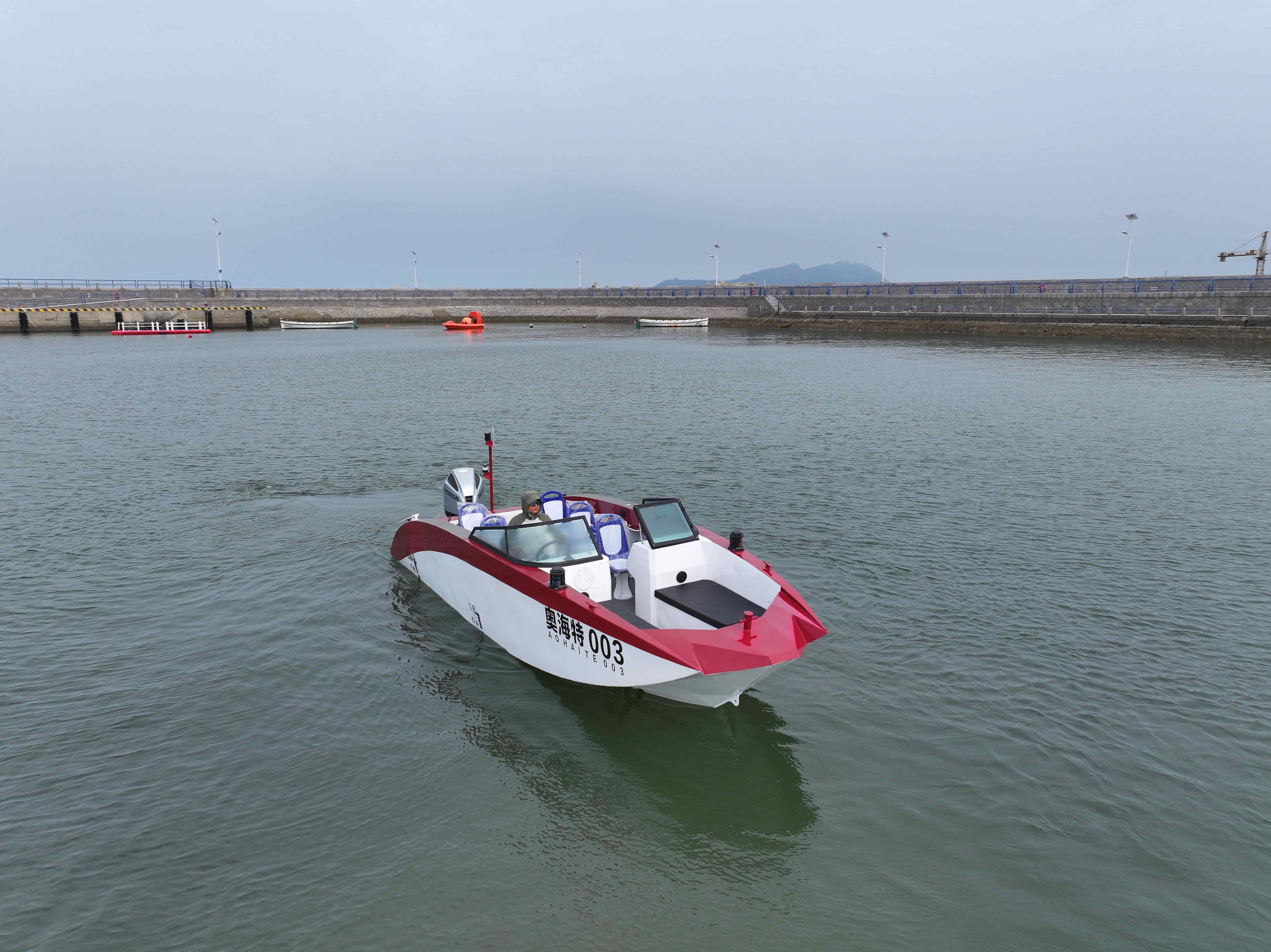
Precision engineering isn't just about high-tech machinery; it’s the quiet backbone of your daily commute. Every morning, when millions step onto trains and buses, they rarely think about the intricate choreography behind the scenes. From the exact timing of doors sliding open to the seamless synchronization of traffic lights with approaching vehicles, these systems are tuned to human rhythms. The goal is simple yet demanding: move people efficiently without them ever noticing the complexity. It’s a form of invisible craftsmanship that turns chaotic urban motion into a reliable, almost mundane experience.
Behind this seamlessness lies a world of data-driven refinement. Transit operators pore over passenger counts, dwell times, and even weather patterns to shave seconds off schedules. Those seconds compound into meaningful capacity gains across a network. A slight adjustment to a train’s acceleration curve can reduce energy use without riders feeling the difference. Bus lanes are painted a few centimeters wider after studying boarding pinch points. These micro-improvements, invisible to the untrained eye, compound into systems that scale gracefully with rising demand. It’s engineering that listens before it acts.
But what truly sets great transit apart is its adaptability to real human behavior, not just theoretical models. People don’t always follow planned routes; they bunch up at certain doors, they linger near exits, they change plans mid-journey. Precision engineering embraces this messiness by designing flexible systems: platforms that intelligently distribute crowds, dynamic signage that reroutes based on live conditions, and vehicle interiors that adapt to peak vs. off-peak flows. It’s a continuous dialogue between infrastructure and its users, with each trip feeding back into a better-designed tomorrow. In the end, the best transit feels effortless because it’s been engineered to fit the erratic rhythms of daily life, not the other way around.
Materials and Methods That Outlast the Elements
Long before modern supply chains, builders turned to what lay beneath their feet. Stone quarried from local bedrock, timber hewn from nearby forests, and clay molded into brick all shared a quiet resilience. These materials weren't chosen merely for convenience; their survival through centuries of frost, flood, and neglect points to an intimate understanding of the environment. A limestone wall in a damp climate slowly develops a protective patina, while oak beams harden with age, each material entering a dialogue with the elements rather than simply resisting them.
This dialogue often blurs the line between structure and setting. Adobe structures in arid regions absorb daytime heat and release it slowly at night, a passive thermal rhythm that air conditioning struggles to replicate. In coastal settlements, builders learned to mix crushed seashells into their mortar, creating a bond that flexes under salt spray instead of crumbling. These aren't nostalgic oddities but records of adaptive problem-solving. The techniques may appear crude, yet they encode generations of trial and error—a kind of material wisdom that modern sustainability movements are only beginning to rediscover and reinterpret.
Neglect, strangely, can become a silent collaborator. A slate roof left unattended might grow moss that cushions and protects the stone beneath; iron fixtures corrode into a rough armor of rust that, if stable, slows further decay. This is not an argument for carelessness but a recognition that durability isn't always about permanence. Sometimes it means crafting systems that degrade gracefully, leaving behind a skeleton that still tells a story. The ruins we admire aren't failures—they're evidence of a deep negotiation between artifice and the world's steady wear, one worth studying before we lose the language to read it.
Designing Spaces Where Comfort Meets Efficiency
A well-designed space doesn’t force a choice between feeling at ease and getting things done—it weaves both into the same breath. Think of a room where natural light falls just right on a work surface, eliminating harsh glare while keeping energy steady. Furniture with gentle curves and supportive structure encourages longer focus without physical strain. Even the subtle hum of a well-ventilated room can act as a quiet anchor, helping you settle into a rhythm that feels less like work and more like a natural extension of your day.
Texture and color play roles that often go unnoticed. A matte finish absorbs excess brightness, reducing eye fatigue, while a thoughtfully placed pop of color can signal a shift in activity without disrupting flow. Storage that hides clutter but keeps essentials within reach respects the mind’s need for both calm and convenience. It’s the small details—like a shelf at just the right height or a chair that adapts to how you sit—that turn an ordinary corner into a place where you instinctively want to remain.
Ultimately, this blend of comfort and efficiency isn’t about compromise; it’s about understanding how people naturally move, pause, and reset. When a space accommodates those rhythms, it feels less engineered and more like a second skin. You stop noticing the design and start living in it, and that’s when the line between comfort and productivity quietly disappears.
Safety as a Silent, Built-in Companion
Modern systems increasingly weave safety into their core fabric, not as a visible add-on but as an innate reflex. It functions quietly in the background, much like a trusted companion who anticipates needs without being asked. This companionship means that protective measures are always present, embedded so deeply that they become part of the experience rather than an interruption. The result is a seamless integration where security never feels forced, allowing users to go about their tasks with a calm, unshakable sense of trust.
This silent guardianship operates through layers of thoughtful design—anticipating risks before they surface and handling them with subtlety. Instead of intrusive alerts or permissions, it relies on contextual awareness learned over time, adapting to patterns without drawing attention to itself. When a potential issue arises, it resolves it almost invisibly, leaving no trace of the intervention. This approach cultivates an environment where people feel naturally protected, unaware of the complex machinery working on their behalf.
The beauty of this silent partnership is that it grows more effective with use, becoming an unobtrusive ally that shapes interactions without dictating them. It respects the user’s autonomy while steadfastly guarding against harm, like a seasoned guide who knows when to step in and when to remain unseen. By making safety a built-in companion, the technology fades into the background, leaving only the peace of mind that comes from knowing someone reliable is always there, watching softly.
Tailored Solutions for Diverse Cityscapes
Every city has its own heartbeat, shaped by its history, infrastructure, and the daily rhythms of its people. A one-size-fits-all approach simply doesn't work when addressing urban challenges. We design solutions that adapt to the unique fabric of each locale, whether it's a sprawling megacity with legacy systems or a compact historic town navigating modern demands. By listening closely to local stakeholders and studying on-the-ground realities, we craft strategies that respect a city's character while enabling thoughtful progress.
Our process zeroes in on what makes each cityscape distinct—from zoning patterns and mobility habits to cultural landmarks and environmental pressures. For dense downtown cores, we might focus on underground logistics and noise-sensitive delivery windows; for suburban rings, last-mile connectivity and micro-fulfillment hubs take priority. No two implementations are alike because no two cities are alike. We measure success not by how well a city adapts to our model, but by how seamlessly our solutions weave into the city's existing tapestry.
Beyond infrastructure, we consider the human scale. A solution that optimizes traffic flow in one neighborhood might disrupt community routines in another. That's why our teams embed themselves in local contexts, holding workshops and piloting ideas with residents before scaling. The result is a portfolio of urban tools—curated, not mass-produced—that help city authorities and businesses serve their communities with precision and empathy.
FAQ
Reliability comes first—these boats need to run daily in busy waterways, so builders focus on durable hulls, efficient engines, and low maintenance costs, all while meeting strict safety standards for passenger vessels.
They're designed with shallow drafts and precise maneuverability, often using waterjet propulsion to navigate tight spaces without disturbing the shorelines or other boats.
Marine-grade aluminum is a top choice for its corrosion resistance and light weight, though some manufacturers still use fiberglass or steel depending on the operating environment and capacity needs.
Absolutely. From seating configurations to wheelchair accessibility, onboard Wi-Fi, and even electric or hybrid powertrains, builders work closely with operators to meet local regulations and passenger expectations.
Constant exposure to water, varying loads, and high-frequency stops means drive trains and hull coatings require regular inspection. A good manufacturer provides accessible service points and training for local crews.
Congested roads push cities to use their waterways, and a well-built water taxi offers a predictable, scenic commute that also reduces ground traffic emissions when using modern clean-engine technologies.
Noise reduction features, stable hull designs, and ergonomic seating all contribute. Climate-controlled cabins and smooth boarding systems make the ride feel less like a boat and more like a shuttle.
Conclusion
Urban water taxi manufacturing is rooted in a deep understanding of how vessels integrate with the rhythms of city life. Every boat is designed to move seamlessly through narrow canals, under low bridges, and alongside crowded waterfronts, reflecting a harmony between form and the unique demands of each metropolitan waterway. The engineering behind these passenger boats prioritizes daily reliability—smooth boarding, efficient propulsion, and cabin layouts that maximize both comfort and capacity without feeling cramped. Builders select materials not just for durability against constant exposure to sun, salt, and rain, but also for their ability to reduce maintenance downtime, ensuring that operators can keep pace with commuter schedules year after year.
Safety is woven into the very fabric of the construction, not as an afterthought but as a quiet, ever-present feature—from non-slip surfaces and sturdy railings to advanced stability systems that passengers rarely notice. The real art lies in customization: no two cities are alike, and a skilled manufacturer works closely with transit authorities to tailor each fleet, whether that means adapting to electric propulsion for eco-sensitive zones or designing flexible seating for peak-hour crowds. The result is a vessel that feels less like a mere people-mover and more like a natural extension of the urban landscape, delivering dependable service in a way that earns the trust of daily commuters and the cities they inhabit.
Contact Us
Contact Person: Benny Hu
Email: [email protected]
Tel/WhatsApp: +8618354225697
Website: https://www.allheartmarine.com/